
Alcoholism vs Alcohol Abuse: What’s the Difference?
The symptoms of alcohol abuse and alcoholism can be similar, including drinking in dangerous situations, neglecting responsibilities, and continuing to drink despite negative consequences. However, people with alcoholism also experience physical dependence on alcohol, which can lead to withdrawal symptoms when they stop drinking. Understanding these distinctions helps identify whether someone is engaging in problematic drinking behaviors or has developed a chronic dependency condition that requires professional intervention. By recognizing the signs and symptoms of alcoholism and alcohol abuse, individuals and their loved ones can take appropriate steps to seek help and support. It’s essential to reach out to healthcare professionals or addiction specialists for an accurate diagnosis and guidance on the most suitable treatment options. Alcoholism, also known as alcohol dependence or alcohol use disorder, is a chronic disease characterized by a craving for alcohol and the inability to stop drinking despite negative consequences.
Public awareness campaigns, educational programs, and community initiatives can contribute to reducing the stigma surrounding alcohol abuse and alcoholism. These efforts can encourage individuals to seek help and support without fear of judgment, facilitating early intervention and improving outcomes for those struggling with alcohol-related issues. In contrast, alcoholism is characterized by a strong craving for alcohol and physical dependence. People with alcoholism may develop a tolerance to alcohol, requiring larger amounts to achieve the desired effect. They may also experience withdrawal symptoms when they attempt to cut back or stop drinking altogether 5.

Loss of Control and Inability to Stop Drinking
- Pharmacological treatments show promise, with medications like aripiprazole and antihypertensive drugs like prazosin and doxazosin targeting the brain’s reward system to reduce cravings.
- Binge drinking is a pattern of alcohol abuse in which a person quickly consumes a lot of alcohol.
- Inpatient alcohol rehab costs range from $6,000 to $20,000/month, covering services like therapy, detox, and meals.
- While both alcohol abuse and alcoholism may involve tolerance, alcoholism often leads to an intense psychological craving for alcohol, which can be overwhelming and challenging to resist.
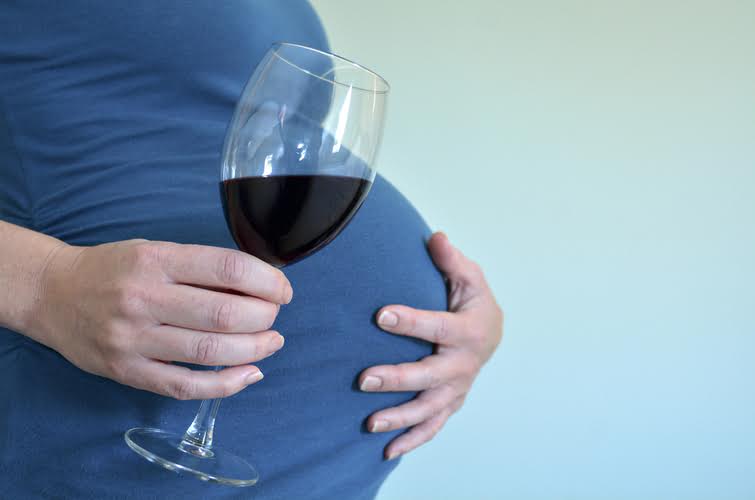
This reasoning would be applied, for example, to a pregnant woman or a child. Drinking enough to be over the legal limit and then driving a car is also a form of alcohol abuse. Alcohol abusers may drink heavily during certain events or periods of stress. Social situations or specific mental states may trigger their alcohol misuse, while alcoholics display a consistent pattern of drinking. They prioritize drinking over work or social obligations and organize their lives around alcohol. Recovery Ranger is a website that offers direction and support for those seeking to overcome addiction and achieve lasting sobriety.
Alcohol Addiction Medicine: Top Treatments for Overcoming Dependence
The clinical definition of alcohol addiction goes beyond mere excessive drinking. It’s characterized by a loss of control over alcohol consumption, coupled with a physical and psychological dependence that’s hard to shake. It’s like having an insatiable hunger that can only be satisfied by one thing – alcohol.
Long-Term Physical and Psychological Impacts of Alcoholism
- From occasional problem drinking to becoming alcohol dependent, the impacts on mental and physical health are profound.
- Alcohol abuse is a pattern of excessive drinking that can damage your health.
- If you see a doctor for your alcohol use, they will not diagnose you as an alcoholic.
Signs of alcohol abuse may involve repeated episodes of heavy drinking, often followed by arguments, missed duties, or feelings of regret. You might use alcohol to unwind or cope, but still manage to go without it at times. This pattern usually disrupts daily life, leading to arguments, missed work, or physical symptoms like sleep issues or headaches. Although you may not feel physically dependent on alcohol, repeated misuse can still create significant problems in many areas of your life. A person with alcoholism may spend a lot of time thinking about drinking or how to hide their drinking. Alcohol dependence, also called physical dependence, happens when a person’s body begins to rely on alcohol to function.
It is characterized by a strong craving for alcohol, loss of control over drinking, physical dependence, and tolerance to alcohol. Alcoholism often involves excessive time spent drinking and withdrawal symptoms when not drinking 4. Alcoholism, also known as alcohol dependence or alcohol use disorder (AUD), is a chronic disease characterized by an inability to control or stop drinking despite adverse consequences. According to the NIAAA, AUD is a chronic relapsing brain disease characterized by prolonged, compulsive alcohol use leading to a negative emotional state when not drinking.
The Spectrum of Substance Use Disorders
It’s important to note that excessive drinking patterns can vary depending on individual factors such as tolerance, body weight, and overall health. However, consistently consuming alcohol in large quantities or binge drinking (consuming a significant amount of alcohol within a short period) can be indicative of alcohol abuse. Both alcohol abuse and alcoholism can have significant impacts on an individual’s health and functioning. what is the difference between alcohol abuse and alcoholism Alcohol abuse can lead to various health consequences, such as liver disease, brain damage, and certain types of cancer 4.
People with alcoholism experience intense cravings and withdrawal symptoms when trying to heroin addiction quit or cut back, and require increasing amounts of alcohol to achieve the desired effect. Alcoholism is often marked by the inability to control or limit drinking, leading to continued alcohol use despite harmful consequences in various areas of life. Alcoholism and drug addiction are both forms of substance use disorders, but they involve different substances. It’s important to differentiate between alcoholism and drug addiction, as alcoholism specifically refers to a dependency on alcohol. In contrast, drug addiction refers to the misuse and dependency on one or more drugs such as opioids, stimulants, or cannabis.
As alcohol abuse and alcoholism differ, so do the right treatment options for people with these conditions. The reason behind excessive drinking behavior exists in two opposing forces, where peer dependency shapes one group but biological and psychological traits create vulnerability for another group. It’s important to consult with healthcare professionals to determine the most suitable treatment options based on your specific needs and circumstances.
Understanding the key difference between these conditions can help you recognize when a treatment program might be needed to support safer choices and long-term recovery. Whether you are struggling with addiction, mental health or both, our expert team is here to guide you every step of the way. Don’t wait— reach out today to take the first step toward taking control of your life.
