
Can Marijuana Be Used as a Treatment in Drug and Alcohol Addiction Recovery?
In other words, the tools, insight, and experiences you gain from the process of getting into recovery from one addiction can be protective against other addictions, so one may be at less risk with a different drug than an addiction naive person might be. None of this is definitively settled, but it is intriguing and certainly is consistent with the use of alternative treatments — such as cannabis and psychedelics — to maintain and support one’s recovery. Since there are nearly always alternatives to recommending medical cannabis, doctors should probably not be too pushy about it.

The Merits of Harm Reduction Melissa Byers (
- What’s more, medical cannabis is showing promise for helping people overcome an opiate dependence.
- I find cannabis to be particularly efficacious, because it can help treat or palliate many of the symptoms that may have helped incite and fuel the addiction to these other drugs in the first place, such as anxiety, insomnia, chronic pain, and trauma.
- In the given period, there were 1,826 fewer doses of drugs per year per physician treating pain than in states without medical marijuana laws.
- In fact, it’s generally-accepted pain killing powers offer a real alternative to opioids used for pain management.
- If an opioid addict patient starts taking Suboxone before enough opioid has washed out of their system, they will have a precipitated withdrawal reaction, which can be very unpleasant.
Instead, you can use the strategies presented in this report to discover new ways to cope with life’s difficulties. Unfortunately, the bottom line is that there is still much research to be done. But it could also be true that marijuana drug addiction is just a crutch and that true recovery involves getting to the bottom of your emotions and issues. There is also some evidence, although limited, that marijuana could lead to testicular cancer and compromise lung health. There are a lot of different opinions on medical marijuana use, but there is also one very interesting fact that took the medical community by surprise.
- Cannabis can provide relief from the symptoms that drive alcohol consumption, such as anxiety, depression, and physical pain.
- The information we provide is not intended to be a substitute for professional medical advice, diagnosis or treatment.
- When you take an opiate drug, the opioids attach to receptors in your gastrointestinal tract, spinal cord and brain and release dopamine, which is responsible for pain relief.
- Consistent answers to questions about marijuana’s social and health effects still allude clinical, scholarly, and legal domains.
The state of the evidence on the association between state cannabis laws and opioid-related outcomes: A review
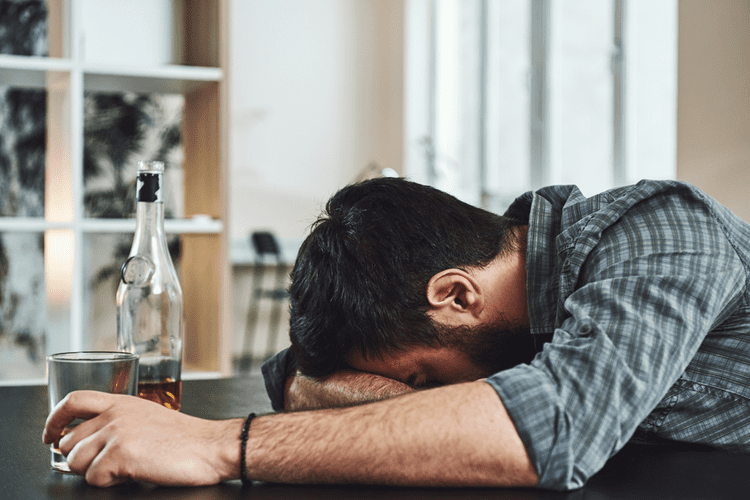
Since how to beat alcoholism marijuana can be addictive, it might seem counterproductive to use it in addiction recovery. Using one addictive drug to get off of another simply does not make sense long-term. There are a few things that do make sense, however, particularly when it comes to opioid addiction.
Marijuana as a Treatment vs. a Possible Prevention Measure
This can lead to overdose and death if a person takes them regularly for nonmedical reasons. According to the World Health Organization, about 115,000 people died of an opioid overdose in 2017. Many people consider ongoing cannabis use to be consistent with being in a state of recovery from opioid addiction. These punitive policies are not based on science and only harm vulnerable patients.

Best Strains of Marijuana to Use for Opiate Dependence Symptoms and Treatment Side Effects
Within the United States, 38 states allow the use of cannabis for medical purposes as of 2023, with specific legalization and decriminalization laws varying by state (2). These compounds are called phytocannabinoids, which are plant-based compounds that can act on the endogenous endocannabinoid system (ECS). The CB1 receptors are primarily located in the central nervous system in large quantities, while CB2 receptors are expressed in immune cells and the gastrointestinal system (3). CB1Rs influence the release of excitatory and inhibitory neurotransmitters such as dopamine, GABA, and glutamate, which contribute to their widespread effect on memory, pain, and movement (4). The body produces two endogenous cannabinoid neurotransmitters called 2-arachidonoylglycerol & anandamide, which are agonists of CB1 and CB2 receptors (3,4). Results of studies examining the relationship between recreational cannabis laws and opioid-related mortality are inconsistent.
