
It also shows how much of the business is financed by the owners/shareholders rather than creditors. The concept of equity originates from the accounting equation where assets equal liabilities plus equity. This foundational principle ensures a balance in the financial statements and helps stakeholders understand the net worth or book value of an entity. OceanWave Surfboards Co. has a total equity of $700,000, meaning the owners have a claim of $700,000 on total equity formula the company’s assets after all liabilities are paid off. This equity can be seen as the “net worth” of the company from a financial statement perspective.
Applying assets = liabilities + equity ratios in this structured way helps analysts, investors, and managers assess performance, identify risks, and make informed decisions. A balance sheet helps you understand a company’s financial position at a single point in time. Its purpose is to show what the business owns, what it owes, and the value of owners’ equity. This helps investors, lenders, and leaders assess performance, funding needs, and overall financial strength. For investors, Total Equity helps assess the company’s financial leverage and profitability.
Due to these details, it is easier for the stockholders and investors to make learning choices for their reserves. To do this calculation, you will need a company’s financial statements for at least two periods, like two consecutive quarterly or annual reports. You will find shareholder equity listed on the balance sheet in the “Liabilities and Equity” section of the financial statements. The market value of your business may also be higher if you have intangible assets that don’t appear in your financial statements. For example, if you have a loyal customer base and a recognizable and respected brand, your company’s market value is more than the equity value shown on your balance sheet.

For your clients, equity plays a central role in understanding both where the business stands today and what’s possible for the future. Below is a break down of subject weightings in the FMVA® financial analyst program. Certified Bookkeeper As you can see there is a heavy focus on financial modeling, finance, Excel, business valuation, budgeting/forecasting, PowerPoint presentations, accounting and business strategy. This account includes the amortized amount of any bonds the company has issued.
Financial statements are essential to provide a true reflection of a company’s performance and financial position. They can tell you what business decisions have been made and which aspects of the operations are worth investigating in more detail. Comparing all four financial statements over a period can also help the management steer the company in the right direction. Understanding them is essential for making informed decisions and communicating financial information to users. Equity gives insight into this balance since it’s shareholders’ investments minus any payments due to outsiders. Investors and analysts use stockholders’ equity information to evaluate the company’s financial stability, profitability, and growth potential.
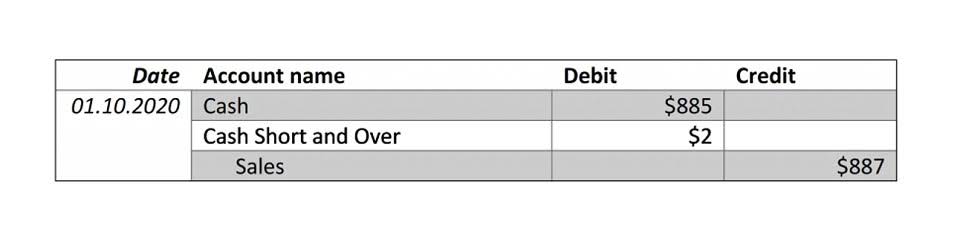
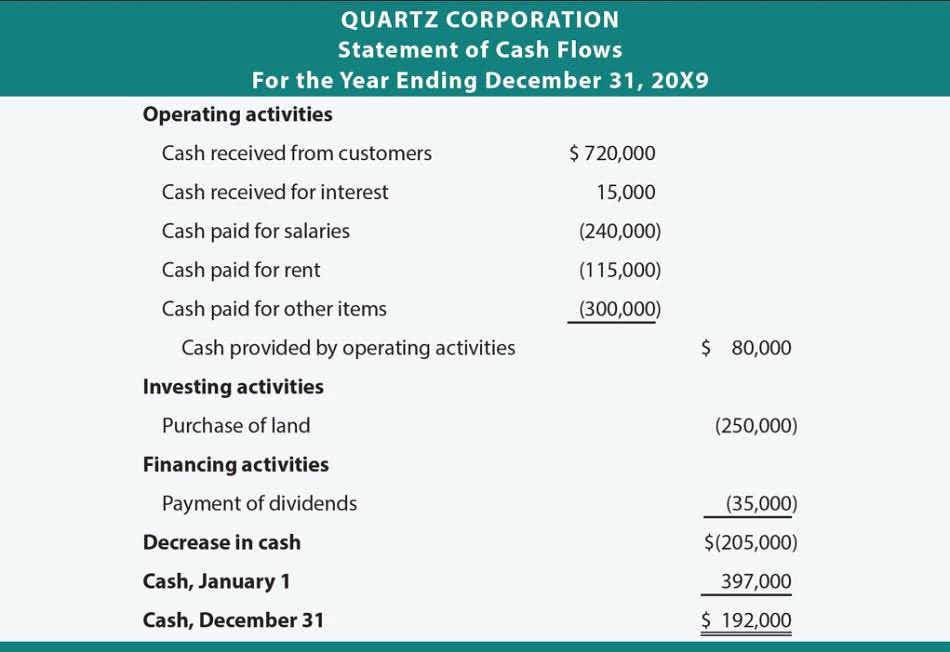
Start by examining the balance sheet, which provides insight into the company’s assets, liabilities, and equity. The assets section highlights how valuable the company is, while the liabilities section demonstrates the obligations and debts that need to be settled. A balance sheet is a financial statement that provides a snapshot of a company’s financial position at a specific point in time. By analyzing the balance sheet, stakeholders can gain insights into the company’s ability to meet its financial obligations and assess its overall financial health.
If you plan to accept many ACH payments or let your customers set up recurring monthly payments, you may prefer to use a third-party payment processor (TPPP). Automated Clearing House (ACH) payments are direct bank transfers of payments between people and businesses. Accepting ACH payments is a great way to offer customers additional convenience. If you already accept credit cards, you will likely be able to accept ACH payments easily.

Even with standard ACH processing times, you’ll typically receive funds faster than you would with paper checks, helping to speed up your cash flow cycle. You can usually accept payment online for free via ACH transfer, as long as the payer initiates the transaction from their bank. If you facilitate an ACH transaction through your payment processor, the fee is usually much lower than that for credit cards. Fees for credit card payments are unavoidable, but you could negate them by adding a surcharge for customers who pay with credit cards. Zoho Billing’s seamless ACH integration lets you accept recurring payments directly retained earnings balance sheet from your customers’ bank accounts. ISend and receive payments directly between bank accounts using secure ACH transfers verified by Plaid.

The client sets it once and forgets it, which means less friction and more retention. Take a demo with BILL to see how our integrated platform can provide your business with seamless AP, AR, and spend and expense management. Help us to improve by providing some feedback on your experience today.
Once funds are deposited into your bank account, reconcile the payment in your accounting software. Many processors integrate directly with platforms like QuickBooks or Xero. By using ACH, businesses can save money, reduce payment churn, and speed up transactions. For example, same-day ACH options make payments nearly as quick as other instant methods.

If you sell services and bill for your work, ACH transfers are a great way to get paid. Customers only have to enter their information once, so it’s not tedious. Customers can use a digital wallet to store virtual credit and debit ACH transfer cards. Virtual card purchases can be made the same way as physical card purchases, or by using a payment service like Apply Pay, Google Pay, or Samsung Pay.
We’ll deliver funds immediately and handle collecting the customer’s payment once it settles in a couple days. Traditional ACH payments, like eChecks, require customers to enter their account number and routing number to send funds. But this manual process exposes both consumers and merchants to risks and limitations. ACH payments are electronic funds transfers (EFT) from one bank account to another. Throughout the ACH payment process, it’s imperative to adhere to relevant regulations and security standards governing electronic fund transfers. ACH can be a great low-cost Insurance Accounting alternative to credit cards, but it’s not always an ideal solution.
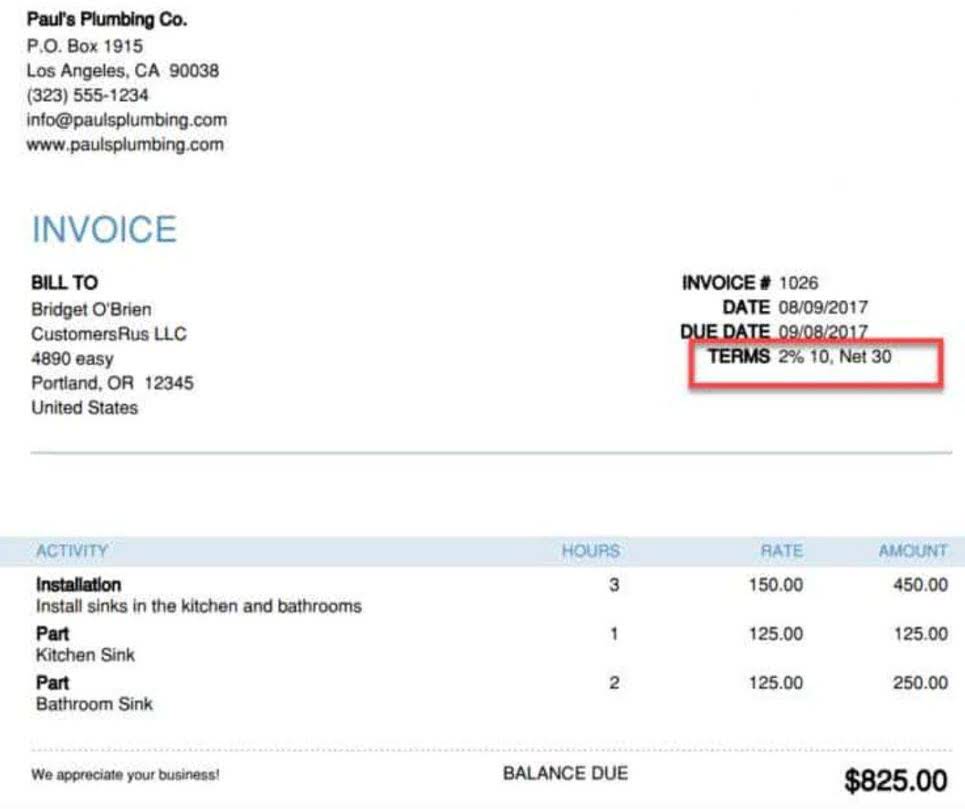
You can either choose invoicing software and integrate it with your payment provider or choose your payment provider first and use its built-in invoicing functionality. Major payment processors, including Stripe, Square and PayPal, all offer built-in invoicing as well as integrations with third-party invoicing and accounting software. Online payments are processed through a payment gateway, which takes customer payment information and communicates among financial institutions to authorize a transaction. It connects the payer’s bank with the merchant’s account, and taps into the credit card network to ensure available funds and prevent fraud. Unlike traditional payment methods that might involve checks or cash, direct payment is typically more secure and efficient, ensuring that funds are transferred swiftly and accurately. This method is particularly beneficial for managing recurring payments, as it streamlines the payment process and minimizes administrative overhead.