
However, if you consistently experience severe congestion, it may be beneficial to consult an allergist or ear, nose, and throat specialist for further evaluation. In most cases, alcohol-induced congestion is a temporary and harmless condition. Allergies involve a specific immune response triggered by allergens, whereas alcohol-induced congestion is primarily caused by vasodilation and inflammation. While it’s difficult to completely prevent alcohol-induced congestion, you can try moderation or avoiding alcohol altogether.
Congeners are by-products of alcohol fermentation present in various drinks, especially dark liquors like whiskey or brandy.
It is important to talk to a doctor to get the proper diagnosis and treatment plan for histamine intolerance. Tannins are astringent compounds that contribute to the bitter taste and aroma of wines. We’ll delve into scientific explanations and explore possible correlations with allergies or other sensitivities to help get you some clarity on your unique experience. The most commonly proposed explanations include congestion, allergies, nerve stimulation, and genetic factors.
Allergens in wine can cause a range of reactions, including skin irritation, gastrointestinal problems, and respiratory symptoms. If you experience any symptoms after consuming alcohol, it is important to speak to a doctor to ensure your health and safety. It is important to seek medical advice as soon as possible if you experience any of these symptoms after drinking wine.
Understanding these factors can help identify potential triggers and provide effective strategies for managing or preventing sneezing. Histamine intolerance is caused by a lack of an enzyme called diamine oxidase (DAO). Overall, the 20-minute rule represents a straightforward yet impactful tweak to drinking habits that can lead to healthier choices while enjoying social settings. Other suggestions for moderating alcohol consumption include limiting oneself to one drink per hour and having designated alcohol-free nights. It can be especially helpful during occasions where alcohol consumption might increase, acting as a simple yet effective strategy to maintain control. Ultimately, mixing Pepcid and alcohol so that you can drink more only worsens the problem.
Knowing the ingredients used to make a wine can help you make an informed decision about what kind of wine you want to drink. A doctor will be able to determine the cause of your symptoms and provide appropriate medical treatment. This inflammation can trigger a wide range of symptoms like nausea, vomiting, muscle aches, heartburn, and even headaches. During the skin prick test, drops of wine are placed on the back of your forearm and the skin is pricked through the liquid. In some cases, symptoms may be the result of an underlying condition that can be managed with proper medical treatment. It is usually caused by genetic variations in the ALDH2 gene, which produces the enzyme that metabolizes alcohol.
There are also signs that the body is reacting negatively to alcohol itself; symptoms such as headaches, nausea, stomach pains and dizziness which occur when consuming alcohol. Histamine, which is produced during the breakdown of alcohol, is one of the main compounds responsible for these allergic reactions. Botrytis cinerea is a mold that causes noble rot in wine, which can also cause reactions in some people.
Additionally, drinking too much can lead to dangerous behaviors, such as impaired driving. Drinking alcohol can also increase your risk of developing asthma or other respiratory conditions. As such, it is important for those who suffer from this condition to be aware liberty cap lookalikes of the potential risk that drinking certain cocktails may pose. In addition to filtration, the use of fresh fruits and vegetables in cocktails can pose a risk for those with oral allergy syndrome (OAS). Filtration of wine is an important process in the production of a good quality beverage. If your symptoms are caused by sinus problems, you may need to see an allergist or immunologist for tests and treatments.
In this case, avoiding these types of drinks and/or medications that contain histamine can help reduce the symptoms. Symptoms of an alcohol intolerance include nausea and vomiting, diarrhea, headaches, hives, facial flushing, chest tightness or difficulty breathing. It is essential to recognize when one has an alcohol intolerance, as this can be a serious health concern. To reduce the risk of unpleasant reactions, it is important to be aware of any potential triggers and take steps to avoid them. The key to managing histamine intolerance is to recognize which foods and drinks are high in histamine levels and avoid them.
Another possibility is that alcohol can induce an allergic reaction in some individuals. Alcohol has been known to cause dilation of blood vessels, including those in the nasal passages, leading to congestion and potentially triggering sneezing. While the exact cause is not fully understood, several theories attempt to explain why some people experience this reaction. Knowing your body’s triggers will empower your drinking experience, allowing you to enjoy sociability without unwanted side effects. Sometimes, the act of sneezing when drinking alcohol can be a conditioned response rather than a strictly physiological one.
Found in various alcoholic beverages, especially red wine and certain beers, histamines are chemicals released during allergic reactions. Dr. Adkinson recommends that people who are prone to alcohol-related allergic reactions should avoid consuming these fruits as well as alcoholic beverages containing sulfites. Certain components of alcoholic beverages, such as histamines and sulfites, can act as triggers for allergy-like symptoms, including sneezing. In conclusion, it is important to note that approximately 8% of the population may experience an allergic reaction when consuming certain alcoholic beverages containing sulfites. Wine is high in organic compounds such as sulfur and chlorophyll which can also trigger allergies in some people; 5% of all allergy sufferers experience an allergic reaction to wines.
Opting for wines labeled “sulfite-free” might also reduce reactions for those sensitive to these preservatives. Whatever the source, sneezing after drinking beer is a phenomenon that many people have experienced. In contrast to sulfite intolerance, alcoholic hepatitis is a liver disease that occurs when the body cannot break down alcohol efficiently.
Moderation tends to minimize adverse reactions, while excessive drinking can exacerbate any underlying sensitivity you might have. This process can influence various biochemical reactions, including those related to histamine production. Common culprits include sulfites, which are often used as preservatives in wines, and gluten found in certain beers.
This reaction is particularly common when consuming alcohol, which can provoke nasal irritation and other bodily responses. Higher alcohol intake can lead to more severe dilation of blood vessels, exacerbating congestion symptoms. However, higher alcohol content can lead to increased blood flow and subsequent nasal congestion.
However, studies have found that a large percentage of red and white wines exceed these recommendations. Growing up, I always knew when my father had enjoyed a glass of red wine. The good news is, simple wine sneezes are nothing to be concerned about if the symptoms are mild. If this sound like you or someone you know, be sure to be mindful of foods like aged cheese, bread, and other fermented products like cider that can contain histamines as well. Drinking in moderation can lessen the overall impact on the body and reduce the likelihood of symptoms. Maintaining good hydration by alternating alcoholic drinks with water is beneficial, as alcohol can contribute to dehydration affecting sinus health.
While the focus is on alcohol consumption, other factors like temperature and emotions may exacerbate the sneezing in some individuals but are not directly responsible for alcohol-induced sneezing. It is best to consult a healthcare professional for a proper diagnosis if you suspect an alcohol allergy. As the exact cause of alcohol-induced sneezing is not fully understood, there is no foolproof way to prevent it.
Sunset works with the body to break down alcohol quickly and effectively, so you don’t experience the negative symptoms. Just like wine, beer has a lot of ingredients that can make someone sneezing microdosing benefits and risks after drinking alcohol react negatively. Hives can also signal an alcohol-related allergy, so be on the lookout for other symptoms that are exclusive to alcohol intolerance. This means that even small amounts of certain alcoholic beverages might trigger a sneezing fit if you’re more genetically inclined to react that way. If you’re taking antihistamines or other allergy medications, be mindful of how they might interact with your drinking habits. Higher histamine levels increase the likelihood of sneezing and other allergy-like symptoms.
The dilation of blood vessels can lead to increased sinuses’ pressure or swelling in the nasal passages. Keep a mental note of how each type of drink affects you, and don’t hesitate to consult with a healthcare professional if the sneezing becomes bothersome or excessively frequent. If you’re enjoying champagne or a sparkling cocktail, be mindful of how the carbonation interacts with your nasal passages. The fizz can stimulate the sensory nerves in your nasopharynx, causing a sneezing reflex. This is an interesting physiological phenomenon, as the vessels in our noses become more reactive with alcohol moving through the bloodstream.
Research shows that around 8% of people experience symptoms like nasal congestion, flushed skin, or even headaches while drinking wine. Many people experience the sensation fetal alcohol syndrome face celebrities of sneezing after consuming alcoholic beverages. One of the most common alcohol-related allergic reactions is to wines containing sulfites. If you have an allergy to any of the ingredients used in alcoholic beverages, you may experience more severe reactions, such as hives or a rash. To avoid experiencing such allergic reactions, it is important to consult with a doctor and identify any allergies before drinking red wine.
The most common symptoms reported by those with sulfite sensitivity are nausea, headaches and skin rashes. Histamines can be found in wine, as they are produced when yeast is used to ferment grapes. He adds that the chances of having an adverse reaction to those foods or drinks is one out of every hundred. Once the allergen has been identified, your doctor can help you develop a plan of action to manage your allergy in the future.
Rum is sometimes flavored with other spices to make ‘spiced rums.’ Rum is often aged in wooden barrels, and because it’s primarily made in the Caribbean, its requirement laws are nowhere near as strict as whisk(e)y. Rum can be distilled using sugar cane but is primarily made using molasses (a thick dark brown juice obtained from raw sugar). Even the way it is spelled depends on where the spirit is distilled. Among the different types of liquor, whisk(e)y can be the most overwhelming.
Ales use top-fermenting sun rocks weed yeasts that work at warmer temperatures (60-75°F), creating fruity, complex flavors with faster fermentation periods of just a few weeks. Beer stands as humanity’s oldest and most widely consumed alcoholic beverage, with evidence of production dating back over 13,000 years. Beer has been the working person’s drink in many societies, while wine often carries associations with sophistication and dining. Beer typically contains 4-6% ABV, wine ranges from 11-15%, spirits commonly reach 40-50%, and liqueurs vary widely from 15-55%.
Knowing how alcohol impacts your body—both in the short and long term—can help you understand its potential effects on your health and well-being. Ethanol is the type of alcohol found in beverages. Understanding different alcohol types and effects is important.
It can happen drug metabolism overview on individual occasions (binge drinking) or habitually. The best way to find a successful treatment program is to understand alcohol issues in-depth. They are also the most likely to participate in detox programs at inpatient treatment centers with private health care providers. Chronic severe alcoholics include the highest percentage of people struggling with co-occurring psychiatric disorders and other substance abuse issues.
In the world of alcoholic beverages, there is a vast array of options available to satisfy your taste buds. Tequila is a type of mezcal, which is a distilled alcoholic beverage made from any type of the succulent agave. All types of whiskey are made from fermented (and sometimes malted) grain mash, typically using barley, corn, rye, or wheat.
Alcopops are spirits and mixers in a can or bottle and considered easy flavored alcoholic beverages. Among all the types of alcohol on this list, fortified wines are the oddity. Since then, humans have refined the fermentation process into the billion-dollar business that we have today producing a wide variety of different types of alcohol. Ethyl alcohol is safe for consumption in small amounts when it’s consumed in alcoholic beverages. A 2017 study compared the effects of three types of alcohol on skin health. Both types of alcohol can be effective at killing germs and are used in healthcare as disinfectants and antiseptics.
In extreme cases, alcohol withdrawal leads to life-threatening complications like delirium tremens. The withdrawal symptoms of alcohol include anxiety, tremors, nausea, seizures, and hallucinations. Over time, chronic alcohol use results in brain shrinkage, cognitive decline, and an increased risk of conditions such as depression and anxiety. In the short term, alcohol affects decision-making, coordination, and emotional regulation, leading to impulsive behavior and memory lapses. It disrupts normal brain function, causing both short-term cognitive impairments and long-term mental health consequences. Alcohol places strain on the body’s organs and systems, causing both immediate discomfort and severe long-term health risks.
In contrast, undistilled alcohol is made by fermenting sugar or plant matter and yeast with water and heat. This process creates higher-strength and higher-proof alcohol. Consult a doctor or treatment center to learn about available treatment options and resources for alcohol abuse and alcoholism. Drinking alcohol can be fatal, depending on the amount you drink.
Depending on the healthcare you’ve already had this year, costs could even be zero. Luckily, most insurance policies cover treatment here. Checking your insurance is simply a way to see what your plan covers — it doesn’t lock you into treatment, notify anyone, or cost you anything.
Tequila represents Mexico’s contribution to the spirits world, produced exclusively from the blue Weber agave plant in specific regions, predominantly Jalisco. Premium aged rums can rival fine whiskeys in complexity, with Jamaican, Barbadian, and Martinique rums each expressing distinct regional characteristics through their traditional production methods. Golden and dark rums develop more complex flavors through longer aging periods in oak barrels, while spiced rums incorporate ingredients like vanilla, cinnamon, and cloves. White rums undergo minimal aging and filtering for a cleaner profile ideal for cocktails like mojitos and daiquiris. The remarkable diversity in rum styles stems from variations in production methods and aging processes. Premium vodkas are judged not by their flavor additions but by their smoothness and the absence of harsh characteristics, similar to how peach brandy moonshine is appreciated for its quality and smoothness.
Therefore, the skins of the red wine grapes are left on during the fermentation process. Many factors influence a wine’s flavor profile, like the weather that year, ‘le terroir,’ how skilled the winemaker is, the aging process, the type of barrels used for storage, etc. The difference between the two categories depends on how the beer is made and the yeast used during the fermentation process.
You probably haven’t heard of the Drambuie but it’s made from aged Scotch whiskies that are combined with honey and other secret ingredients. You’ll find several types of coffee liqueur, but the most popular brands are Kahlua and Tia Maria. Monks created the Chartreuse in the 18th century, and it’s made up of more Delirium Tremens Symptoms than 130 herbs. The Chambord was created more recently than most of the others on this list of liquors and people like it for its raspberry flavor. Amaro is usually a digestif to finish the night off with and is made from different herbs or spices for additional flavors.
Tequila is a distilled alcoholic beverage from Mexico, made primarily from the blue agave plant. This category includes beverages like beer, wine, and mead. Curious about the various types of alcohol and liquor names you come across in movies, restaurants, or stores? On this page, you’ll learn about the different types of alcohol and liquor.
Made from fermented grains or potatoes, vodka is known for its neutral taste and versatility in cocktails. Each type of distilled spirit has its own distinct characteristics and production methods that contribute to its unique flavor profile. In this comprehensive guide, we’ll explore the main categories of alcohol, their production processes, and what sets them apart from one another. Understanding these differences can help you make more informed choices about your drinks. With these types of behavioral interventions, patients learn to better handle triggers and situations that may lead to alcohol use.7
Serving temperature significantly impacts sake’s character, with different styles traditionally enjoyed hot, room temperature, or chilled depending on their flavor profiles and quality level. The category includes many styles—from light, fragrant daiginjo made with highly polished rice to fuller-bodied junmai with robust rice flavors, and from crisp, dry varieties to cloudy nigori with some rice solids remaining. The process begins with polishing rice grains to remove outer layers, then steaming them before introducing koji (Aspergillus oryzae mold) that converts starches to fermentable sugars.
Mixing these drugs with Valium can intensify the effects of this tranquilizer, group home vs halfway house making the user even more vulnerable to the dangers of central nervous system depression. When taken by itself according to the directions of a doctor or therapist, Valium is a relatively safe drug, with a low risk of harmful side effects. It is also used to treat muscle spasms, restless leg syndrome, and the symptoms of alcohol withdrawal. This medicine will add to the effects of alcohol and other central nervous system (CNS) depressants.
These drugs make it harder for the body to absorb diazepam. Examples include muscle weakness, breathing and eating problems, low body temperatures, and withdrawal symptoms. If you have liver problems, more of this drug may stay in your body, putting you at risk of side effects. If you have kidney problems, more of the drug may stay in your body for longer, putting you at risk of side effects.
Mixing Valium and alcohol is not recommended, and extreme caution should be used when they are taken together. As a CNS depressant, Valium works as a sedative, anxiety reducer, muscle-relaxer and anticonvulsant. “Drugs are chemical compounds that affect the mind and body. Over time, this behavior might develop into an addiction. Both alcohol and Valium change the chemistry of the brain and central nervous system, often causing euphoria or a relaxed feeling. Or if there is a history of addiction in their family.
Meanwhile, alcohol is a widely consumed substance. “About 570,000 people die annually in the U.S. due to drug use,” (NIDA for Teens). If you think someone you love is suffering from drug addiction, don’t give up hope, and don’t ignore the problem. In fact, there are people who make it their life’s work to help others recover from addiction.
Also, your body processes alcohol and this drug in similar ways. Mixing the substance with alcohol, another addictive substance, can increase the chances of addiction. In extreme circumstances, someone who mixes alcohol with Valium might overdose, risking death. Others are unaware it’s dangerous to combine the two drugs. “Alcohol addiction, also known as alcoholism, is a disease that affects people of all walks of life,” says Healthline. Someone who drinks too much alcohol and becomes dependent on this drug can soon develop an addiction.
Prescription drug abuse is on the rise nowadays, and that’s why if you or your loved one needs support, just know that help is always available. Your cardiovascular system also slows down when you mix these substances. But in truth, even a low dose of Valium (2–5 mg) and a glass of wine can trigger dangerous effects. When taken together, the effects of Valium and alcohol don’t simply add up; they intensify one another in unpredictable ways. It can have immediate, severe effects on your brain and body. But when mixed with alcohol, another CNS depressant, the effects overlap and intensify.
As a part of this step, patients work with a certified therapist to understand the causes of their addiction and develop new coping strategies to maintain sobriety and avoid relapses. These support groups allow these people to meet others with similar issues and connect with them to form their own support system. The purpose of inpatient treatment is to keep a patient in a trigger-free environment under constant monitoring for a safer and more effective experience.
If you or your loved one need Valium and alcohol treatment, do not hesitate to contact American Addiction Centers (AAC). It is an addictive benzodiazepine that is used in the treatment of muscle spasms, anxiety, and seizures. By itself, Valium has a low overdose threshold – you would need to take a really large amount of the drug in order to overdose.
It’s not known whether diazepam is safe and effective for long-term use (specifically, longer than 4 months). It comes with serious risks if you don’t take it as prescribed. Diazepam oral tablet is used for short-term treatment. This drug hasn’t been studied and should not be used in children under the age of 6 months. The following information describes dosages that are commonly used or recommended for diazepam oral tablet.
An outpatient program in Florida can offer flexible support, therapy sessions, medical check-ins, and group counseling, all while patients live at home. When people rely on both to perform daily tasks, emotions, or sleep, that’s not use, it’s dependence. There’s a line between occasional misuse and addiction, and it can be crossed fast. Mixing Valium and alcohol affects the mind, mood, and behavior in profound ways. Taken together, Valium and alcohol can provide a sense of detachment. When emotional wounds run deep, people often self-medicate.
Using this medicine during the later pregnancy may cause problems in your newborn baby (eg, sedation or withdrawal symptoms). Diazepam is used to relieve symptoms of anxiety and alcohol withdrawal. Although a fatal overdose requires a large amount of Valium, using higher doses than prescribed on a regular basis can result in permanent side effects.5 Moreover, drinking while on Valium can amplify the effects of both alcohol and diazepam. Valium facilitates GABA activity, alleviating anxiety symptoms, helping manage alcohol withdrawal, and controlling seizures and muscle spasms.15 Tolerance and physical dependence can also develop over time, causing you to take larger doses of the drug and experience withdrawal symptoms if you abruptly stop using it.1 It is also used for pre-procedural sedation, as well as for reducing alcohol withdrawal symptoms.1 Valium increases the activity of GABA, an inhibitory neurotransmitter, to calm the patient’s nervous system and reduce brain overactivity.2
That means they slow down brain and body communication, affecting functions we take for granted, like breathing, awareness, and coordination. Both are familiar and common, yet both carry significant risk. Valium (also known as diazepam) is one of the most frequently prescribed benzodiazepines in the U.S. We want to help you or your loved one find treatment, figure out how to fund it, and where to go for it. The previously mentioned time frame of alcohol metabolism can also vary based on a person’s weight, age, amount consumed, and height.
If you’re ready to overcome alcohol addiction, but don’t know where to begin, Alcohol detox info contact a treatment specialist. The fact is that there are too many good people lost to drug addiction, and the United States is currently in the middle of a drug epidemic. It’s especially hard to lose a loved one to drugs or alcohol if you didn’t know that they had an issue in the first place. It’s true, not everybody gets help for an addiction, even though it might be risky to continue living with one.
This explains diazepam’s anti-anxiety, muscle-relaxing, and sleep-inducing effects.1,2,4,5 Diazepam is a “prescription only” drug and a Schedule IV controlled substance with a potential for abuse.1,4 It is widely asserted that no member of this group is superior to the others for treatment of alcohol withdrawal.
The only safe, effective way to withdraw from alcohol, benzodiazepines, opiates, and other drugs is through a professional detox program that provides intensive clinical monitoring. The Centers for Disease Control and Prevention states that benzodiazepines like Valium were among the leading types of drugs used in suicide deaths between 2005 and 2007, and that 31 percent of suicides involved prescription acute and chronic effects of cocaine on cardiovascular health pmc drugs and alcohol. In patients who have overdosed on Valium, alcohol is often mixed with this prescription medication, augmenting its sedative effects. Some people with legitimate prescriptions for Valium may consume alcohol or take other medications that interact with this drug without being aware of the potential dangers.
Mixing depressants can slow your breathing, damage your organs and increase your chance of overdose. Diazepam, and other benzodiazepines, work by enhancing the effects of the inhibitory neurotransmitter GABA. Valium and alcohol work similarly in the brain as central nervous system depressants. We’re a treatment center that focuses on treating any underlying mental health issues. Addiction treatment and other treatment programs are always an option.
While diazepam is commonly used to treat the symptoms of withdrawal from alcohol, it is never to be combined with alcohol. When you combine alcohol and diazepam, you will intensify the effects of the alcohol on your system, but it will not stop you from experiencing withdrawal. Understanding the risks and following guidelines can help ensure the safety and effectiveness of diazepam treatment. However, if you must drink, it’s recommended to wait until diazepam’s effects have worn off before alcohol use.
Pain, mental or physical, can drive people to seek numbness. But this “enhanced calm” can lead to dangerous sedation, impaired breathing, or blackouts within an hour. Valium is already designed to reduce anxiety and promote calm. For many people, this combination starts as a way to feel better, not worse. If your body can’t handle the load, it may simply shut down.
Diazepam may be used in people with open-angle glaucoma, but it should not be used in people with acute narrow-angle glaucoma. This drug can interfere with your judgment, thinking, and motor skills. You should not drink grapefruit juice while taking diazepam.
Content
Addiction slowly robs you of your relationships, as you become emotionally obsessed with your drug of choice. With recovery comes a blossoming of human connection, interaction, meaning, and hope. In order to recover, we learn tools to keep ourselves centered, alcoholism treatment such as humility, compassion, listening skills, and mindfulness. We learn to ask for help, and not try to internalize and fix all of our problems on our own.

Other external cues include sensory triggers like sights, smells, or sounds linked to previous substance use, which can prompt an intense desire to relapse. High-stress life circumstances, such as job loss, relationship conflicts, or significant life changes, can also elevate stress levels and trigger cravings. We provide state of the the art outpatient mental health and substance use disorder treatment to our clients in a dignified and respectful manner. This isn’t a failure, it’s an opportunity a chance to create meaning that reflects your current emotional needs, family structure, or healing process. It will also help to speak with your therapist or counselor about what triggers you have and what you should do when things become overwhelming. Additionally, you may want to rearrange your treatment schedule if you are planning to attend holiday gatherings.

Resilience is a vital element of recovery and involves developing skills to cope with setbacks and challenges effectively. One way to build resilience is by creating a healthy support system. Surrounding oneself with positive, supportive people can significantly contribute to ensuring sustainable recovery and reflecting on one’s progress in the recovery journey. Furthermore, it’s crucial to plan ahead for situations that may involve exposure to substances, such as holiday parties. This includes setting clear boundaries, preparing responses to declining offers of alcohol, and ensuring others are aware of their recovery journey. To maintain recovery during the holidays, individuals must also practice effective stress management techniques.

Reflect on what worked this holiday season and use that insight to prepare for future celebrations. Each year offers a chance to move closer to the community and stability you deserve. This guide will help you understand why loneliness intensifies during the holidays and provide practical strategies to navigate it while protecting your sobriety. If you will be serving alcohol, check to see if your invitee is comfortable with that.
Whether you’re seeking help for yourself or a loved one, we’re here to guide you every step of the way. Thankfully I was in a good place mentally, which allowed me to stay calm and avoid getting angry with her or screaming at her that I deserved to come home. At the time, I didn’t deserve anything except for another sober day. Our clinical and medical experts, ranging from licensed therapists and counselors to psychiatric nurse practitioners, author our content, in partnership with our editorial team.

Explore how cognitive behavioral therapy can effectively treat alcohol addiction and foster long-term recovery. Thinking about how you will handle the tempting situations you will encounter over the holidays will help you make a plan that will allow you to navigate them successfully. • We encourage you to be supportive and proactive about your family member’s recovery. You can reach to them in a way that lets them know you trust them with their own recovery but that you are there for them if needed.
The holidays present a perfect opportunity to reach into your recovery toolbox and use any and all of these tools. In line with this, don’t forget to check in on your brothers and sisters in recovery during the holiday season. It’s easy enough to Sobriety pick up the phone, and you will find yourself feeling better as well.

In the middle of a party where it seems like everyone is having fun and that alcohol and drugs are part of that fun, your reasons for staying sober can sometimes seem to just fade away. Maintaining well-being should be the top priority during holiday celebrations. Encouraging individuals in recovery to prioritize self-care activities like meditation, exercise, sufficient sleep, and healthy eating habits can significantly bolster their resilience against cravings. These activities not only contribute to physical health but also foster mental and emotional well-being, crucial for successful recovery. By implementing these strategies, individuals in recovery can successfully navigate the holiday season, maintaining their commitment to sobriety while still enjoying the festivities. Identifying potential triggers ahead of time allows you to prepare for moments that may challenge your recovery goals.
Our blog, ‘The Holidays Can Be Beautiful… and Overwhelming,’ reminds us that it’s normal to feel many emotions at once this time of year. And presence genuine, grounded presence is often more potent than any grand gesture or perfect plan. The Recovery Village Columbus Drug, Alcohol and Mental Health Rehab specializes in compassionate, evidence-based care tailored to your needs.
There are treatment options for those who mix alcohol and buprenorphine (Suboxone®). In both alcohol and opioid detox centers, individual or group therapy is also recommended in conjunction with medications. In an alcohol detox center, buprenorphine (Suboxone®) isn’t typically used to treat alcohol use disorder (AUD) or withdrawals from alcohol.
The naloxone component essentially serves as a built-in safeguard in the medication’s formulation. Naloxone is also effective in reversing opioid overdoses. The role naloxone plays in Suboxone is as an opioid antagonist.
The presence of alcohol increases the potency of buprenorphine, causing the partial opioid agonist to act more like a full opioid agonist. While alcohol is legal to consume in the US if the person is at least 21 years old, it is also one of the most widely abused drugs. Despite this abuse-deterrent property, the Drug Enforcement Administration (DEA) notes that people do abuse buprenorphine and, in some instances, have found a way around the naloxone component in Suboxone. Get started on your recovery right now with our free rehab locator tool, where you can find addiction treatment facilities that take insurance, inpatient rehabs, outpatient rehab programs, and much more.
Both Suboxone® and alcohol are CNS depressants, which means they slow down brain activity. Alcohol can exacerbate mental health issues such as depression and anxiety and can contribute to the development of such conditions over time. Long-term, excessive alcohol use can lead to heart disease and other cardiovascular problems.
Avoiding alcohol is essential for maximizing the effectiveness of Suboxone treatment and ensuring a smoother withdrawal experience. Physiologically, alcohol can exacerbate Suboxone withdrawal symptoms by overloading the body’s detoxification systems. One of the critical concerns regarding alcohol’s role in Suboxone withdrawal is its impact on the psychological and emotional aspects of recovery. However, the introduction of alcohol into the system can significantly alter its effectiveness and contribute to adverse effects during the withdrawal process. It works by binding to the same receptors in the brain as opioids, reducing cravings and withdrawal symptoms. Alcohol and Suboxone are two substances that, when combined, can lead to complex interactions and potentially exacerbate withdrawal symptoms.
In summary, while alcohol does not directly suppress Suboxone by competing at opioid receptors, its indirect effects on the brain’s neurochemistry can undermine Suboxone’s therapeutic efficacy. Furthermore, combining alcohol with Suboxone increases the risk of respiratory depression, a dangerous side effect of opioid receptor activation. However, alcohol’s modulation of neurotransmitters like dopamine and endorphins may interfere with this mechanism, potentially reducing Suboxone’s ability to block cravings or withdrawal symptoms. Additionally, alcohol’s activation of the brain’s reward system via dopamine release can counteract Suboxone’s goal of normalizing brain function in individuals recovering from opioid addiction.
There are several rehab programs and treatment options for patients suffering from concurrent addictions or poly-drug abuse of substances like alcohol and Suboxone. Due to these risks, physicians are advised against prescribing Suboxone to people who abuse other CNS depressant drugs and alcohol. Our science-backed approach boasts 95% of patients mixing suboxone and alcohol reporting no withdrawal symptoms at 7 days.
Distilled beverages (also called liquors or spirit drinks) are alcoholic drinks produced by distilling (i.e., concentrating by distillation) ethanol produced by means of fermenting grain, fruit, or vegetables. Mead (/miːd/), also called hydromel, is an alcoholic drink made by fermenting honey how to store clean urine with water, sometimes with various fruits, spices, grains, or hops. Cider or cyder (/ˈsaɪdər/ SY-dər) is a fermented alcoholic drink made from any fruit juice; apple juice (traditional and most common), peaches, pears (“Perry” cider) or other fruit.
The answer to this question is yes, it is safe to drink water while taking Suboxone. It is also not a pain medication and should not be used to treat pain. It is important to note that Suboxone is not an opioids, and therefore should not be used as a substitute for opioids. Suboxone is a powerful medication that should be used with caution. The buprenorphine in Suboxone can cause drowsiness, and the naloxone can cause nausea and vomiting.
Buprenorphine is a partial opioid agonist that helps manage withdrawal symptoms and cravings by binding to the same receptors in the brain that opioids target. Open communication with healthcare providers about alcohol use is essential for tailored treatment and support. Alcohol not only poses physical risks but also psychological ones, as it can lower inhibitions and increase the likelihood of engaging in risky behaviors, including opioid use. Conversely, alcohol-induced liver impairment may also decrease Suboxone’s bioavailability, making it less effective in managing opioid cravings and withdrawal.
For example, alcohol can impair your judgment, which could lead to risky behavior or accidents. Mixing alcohol with Suboxone can lead to a range of is alcoholism a mental illness health problems, some of which could be life-threatening. If you’re in outpatient treatment, your addiction specialist or counselor will likely have advice about what’s safe for you.
Additionally, the sugar in soda can lead to weight gain, which can be a problem for those who are trying to recover from an addiction to opioids. Overall, there is no evidence to suggest that drinking soda while taking Suboxone is unsafe. Therefore, it is important to make sure that you are drinking plenty of water throughout the day. In fact, some people find that it can actually help to improve the effects of Suboxone. There is no evidence to suggest that drinking soda while taking Suboxone will cause any problems. As such, it contains both an opioid agonist (buprenorphine) and an opioid antagonist (naloxone).
This especially holds true when drinking Chicha, an alcoholic beverage unique to this part of the world. A toddy shop is a drinking establishment seen in some parts of India (particularly Kerala) where palm toddy, a mildly alcoholic beverage made from the sap of palm trees, is served along with food. In the alcoholic drinks industry, congeners are substances produced during fermentation. Rice wine is an alcoholic drink fermented and possibly distilled from rice, consumed in East Asia, Southeast Asia and South Asia. In 2015, among Americans, 86% of adults had consumed alcohol at some point, with 70% drinking it in the last year and 56% in the last month.
It helps minimize cravings, reduces withdrawal symptoms, and allows patients to focus on their recovery. The buprenorphine in Suboxone controls opiate withdrawal symptoms and it can be effective in controlling mild to moderate pain. It is a partial opioid agonist, which means Prevent Drug Misuse that it binds to opioid receptors in the brain and prevents withdrawal symptoms from occurring. Suboxone is a medication used to treat opioid addiction. If you are considering drinking tea while taking Suboxone, it is important to speak with your doctor or healthcare provider first.
Alcoholic drinks have different amounts of alcohol in them. About 8 percent of teens report binge drinking in the past month. This is in spite of the fact that the legal drinking age is 21 years old in the United States. Most American high school seniors have had an alcoholic drink within the past month.
Your employment and financial stability can become jeopardized when drinking causes your work performance to suffer. It works against Suboxone’s goal of making opioid withdrawal easier. It lowers inhibitions and impairs judgment, increasing one’s risk of returning to opioid use. Mixing Suboxone with other illicit, habit-forming drugs is not recommended, and alcohol and Suboxone are no exception. “When people do overdose on Suboxone, it is almost always because they are mixing it with sedatives such as benzodiazepines, medicines that can additively impair breathing,” states Harvard Medical School.
The simultaneous ingestion of alcohol and Suboxone can result in metabolic competition, as both substances are metabolized primarily by the liver enzyme cytochrome P450. This combination can lead to a range of negative effects on the body, including medical emergencies, overdose, addiction, and even death. It is often used as part of a comprehensive recovery program to help individuals transition from opioids to sobriety.
In other words, the tools, insight, and experiences you gain from the process of getting into recovery from one addiction can be protective against other addictions, so one may be at less risk with a different drug than an addiction naive person might be. None of this is definitively settled, but it is intriguing and certainly is consistent with the use of alternative treatments — such as cannabis and psychedelics — to maintain and support one’s recovery. Since there are nearly always alternatives to recommending medical cannabis, doctors should probably not be too pushy about it.

Instead, you can use the strategies presented in this report to discover new ways to cope with life’s difficulties. Unfortunately, the bottom line is that there is still much research to be done. But it could also be true that marijuana drug addiction is just a crutch and that true recovery involves getting to the bottom of your emotions and issues. There is also some evidence, although limited, that marijuana could lead to testicular cancer and compromise lung health. There are a lot of different opinions on medical marijuana use, but there is also one very interesting fact that took the medical community by surprise.
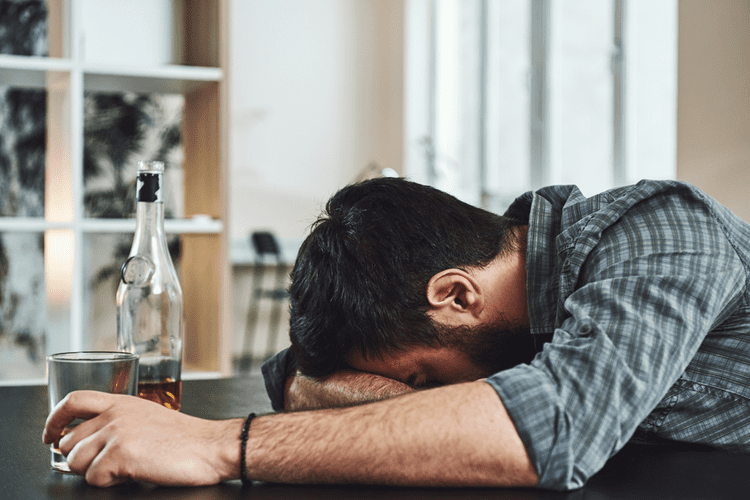
Since how to beat alcoholism marijuana can be addictive, it might seem counterproductive to use it in addiction recovery. Using one addictive drug to get off of another simply does not make sense long-term. There are a few things that do make sense, however, particularly when it comes to opioid addiction.
This can lead to overdose and death if a person takes them regularly for nonmedical reasons. According to the World Health Organization, about 115,000 people died of an opioid overdose in 2017. Many people consider ongoing cannabis use to be consistent with being in a state of recovery from opioid addiction. These punitive policies are not based on science and only harm vulnerable patients.
Within the United States, 38 states allow the use of cannabis for medical purposes as of 2023, with specific legalization and decriminalization laws varying by state (2). These compounds are called phytocannabinoids, which are plant-based compounds that can act on the endogenous endocannabinoid system (ECS). The CB1 receptors are primarily located in the central nervous system in large quantities, while CB2 receptors are expressed in immune cells and the gastrointestinal system (3). CB1Rs influence the release of excitatory and inhibitory neurotransmitters such as dopamine, GABA, and glutamate, which contribute to their widespread effect on memory, pain, and movement (4). The body produces two endogenous cannabinoid neurotransmitters called 2-arachidonoylglycerol & anandamide, which are agonists of CB1 and CB2 receptors (3,4). Results of studies examining the relationship between recreational cannabis laws and opioid-related mortality are inconsistent.
The symptoms of alcohol abuse and alcoholism can be similar, including drinking in dangerous situations, neglecting responsibilities, and continuing to drink despite negative consequences. However, people with alcoholism also experience physical dependence on alcohol, which can lead to withdrawal symptoms when they stop drinking. Understanding these distinctions helps identify whether someone is engaging in problematic drinking behaviors or has developed a chronic dependency condition that requires professional intervention. By recognizing the signs and symptoms of alcoholism and alcohol abuse, individuals and their loved ones can take appropriate steps to seek help and support. It’s essential to reach out to healthcare professionals or addiction specialists for an accurate diagnosis and guidance on the most suitable treatment options. Alcoholism, also known as alcohol dependence or alcohol use disorder, is a chronic disease characterized by a craving for alcohol and the inability to stop drinking despite negative consequences.
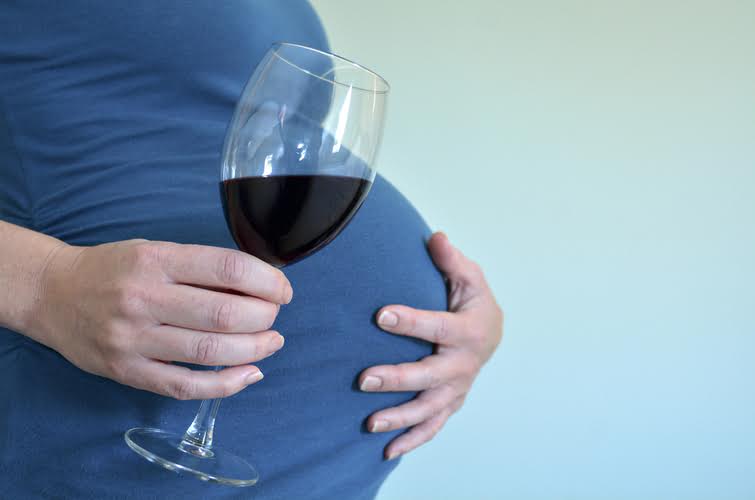
Public awareness campaigns, educational programs, and community initiatives can contribute to reducing the stigma surrounding alcohol abuse and alcoholism. These efforts can encourage individuals to seek help and support without fear of judgment, facilitating early intervention and improving outcomes for those struggling with alcohol-related issues. In contrast, alcoholism is characterized by a strong craving for alcohol and physical dependence. People with alcoholism may develop a tolerance to alcohol, requiring larger amounts to achieve the desired effect. They may also experience withdrawal symptoms when they attempt to cut back or stop drinking altogether 5.
This reasoning would be applied, for example, to a pregnant woman or a child. Drinking enough to be over the legal limit and then driving a car is also a form of alcohol abuse. Alcohol abusers may drink heavily during certain events or periods of stress. Social situations or specific mental states may trigger their alcohol misuse, while alcoholics display a consistent pattern of drinking. They prioritize drinking over work or social obligations and organize their lives around alcohol. Recovery Ranger is a website that offers direction and support for those seeking to overcome addiction and achieve lasting sobriety.
The clinical definition of alcohol addiction goes beyond mere excessive drinking. It’s characterized by a loss of control over alcohol consumption, coupled with a physical and psychological dependence that’s hard to shake. It’s like having an insatiable hunger that can only be satisfied by one thing – alcohol.
Signs of alcohol abuse may involve repeated episodes of heavy drinking, often followed by arguments, missed duties, or feelings of regret. You might use alcohol to unwind or cope, but still manage to go without it at times. This pattern usually disrupts daily life, leading to arguments, missed work, or physical symptoms like sleep issues or headaches. Although you may not feel physically dependent on alcohol, repeated misuse can still create significant problems in many areas of your life. A person with alcoholism may spend a lot of time thinking about drinking or how to hide their drinking. Alcohol dependence, also called physical dependence, happens when a person’s body begins to rely on alcohol to function.
It is characterized by a strong craving for alcohol, loss of control over drinking, physical dependence, and tolerance to alcohol. Alcoholism often involves excessive time spent drinking and withdrawal symptoms when not drinking 4. Alcoholism, also known as alcohol dependence or alcohol use disorder (AUD), is a chronic disease characterized by an inability to control or stop drinking despite adverse consequences. According to the NIAAA, AUD is a chronic relapsing brain disease characterized by prolonged, compulsive alcohol use leading to a negative emotional state when not drinking.
It’s important to note that excessive drinking patterns can vary depending on individual factors such as tolerance, body weight, and overall health. However, consistently consuming alcohol in large quantities or binge drinking (consuming a significant amount of alcohol within a short period) can be indicative of alcohol abuse. Both alcohol abuse and alcoholism can have significant impacts on an individual’s health and functioning. what is the difference between alcohol abuse and alcoholism Alcohol abuse can lead to various health consequences, such as liver disease, brain damage, and certain types of cancer 4.
People with alcoholism experience intense cravings and withdrawal symptoms when trying to heroin addiction quit or cut back, and require increasing amounts of alcohol to achieve the desired effect. Alcoholism is often marked by the inability to control or limit drinking, leading to continued alcohol use despite harmful consequences in various areas of life. Alcoholism and drug addiction are both forms of substance use disorders, but they involve different substances. It’s important to differentiate between alcoholism and drug addiction, as alcoholism specifically refers to a dependency on alcohol. In contrast, drug addiction refers to the misuse and dependency on one or more drugs such as opioids, stimulants, or cannabis.
As alcohol abuse and alcoholism differ, so do the right treatment options for people with these conditions. The reason behind excessive drinking behavior exists in two opposing forces, where peer dependency shapes one group but biological and psychological traits create vulnerability for another group. It’s important to consult with healthcare professionals to determine the most suitable treatment options based on your specific needs and circumstances.
Understanding the key difference between these conditions can help you recognize when a treatment program might be needed to support safer choices and long-term recovery. Whether you are struggling with addiction, mental health or both, our expert team is here to guide you every step of the way. Don’t wait— reach out today to take the first step toward taking control of your life.
Maternal cannabinoid use alone does not necessarily mean that hyperemesis is CHS. It is not unusual for CHS patients to present frequently at the ED and to be hospitalized multiple times per year. This suggests that prompt, accurate diagnosis of CHS may save the healthcare system considerable resources and spare the patient unnecessary testing and procedures. This observation may serve as an early indicator for the diagnosis of CHS https://ecosoberhouse.com/ 20. CHS is a disorder characterized by recurrent episodes of severe nausea and vomiting in individuals with chronic and heavy cannabis use.

Five different genes emerged as statistically significant indicators of CHS. Interestingly, all of the CHS cohort had a minimum of two of the five genes. The discovery of these genetic markers makes it possible to offer a cost-effective screening cannabinoid hyperemesis syndrome (chs) test available to those who are exhibiting CHS-like symptoms. Cannabinoid hyperemesis syndrome has largely been an American phenomenon, although it was first identified in Australia.
Below are some of the services available to help you quit marijuana and other drugs based on where you live. You may not want to believe that marijuana may be the underlying cause of your symptoms. This might be because you have used it for many years without having any problems, but CHS can take several years to develop.
During this stage, patients commonly experience nausea, abdominal discomfort, and anxiety about vomiting. These symptoms typically occur on one or more days per week and are more pronounced in the morning. Despite these symptoms, patients generally maintain a normal appetite and eating patterns, resulting in minimal weight changes.
While the symptoms of CHS are often mistakenly attributed to other disorders, early diagnosis and quitting cannabis are crucial for managing the condition. Patients diagnosed with CHS may require emergency medicine or treatments such as anti-nausea medications, topical capsaicin, or hot water hydrotherapy to relieve symptoms. Mental health services administration may also be involved in managing the psychological impact of cannabis use and the challenges of quitting. By increasing awareness and understanding of CHS, healthcare providers can better support patients and reduce the frequency of emergency department visits linked to cannabis-related issues. There were 5 men and 5 women included, mean age 27 years (range 19–51 years) with symptoms of abdominal pain, nausea, and hyperemesis refractory to medical therapy. The mean delay to the accurate diagnosis of CHS was 15.2 ± 10.5 months with a median of 4 ED admissions (range 0 to 14).
Among these cannabinoids, tetrahydrocannabinol (THC) is the most well-known for its ability to induce euphoria, alter perception, and stimulate appetite. Cannabidiol (CBD), another major cannabinoid, has gained attention Oxford House for its potential therapeutic properties, including anti-inflammatory, anxiolytic, and neuroprotective effects 1. Some people within the cannabis industry believe that CHS is irrelevant since it does not occur in very many people.

In a report on a 16-year-old CHS patient, she reported that she used marijuana herself but had been exposed prior to that to secondhand smoke for many years, as her family used marijuana 125. The mechanism of action of topical capsaicin likely involves TRPV1 receptors. In other words, topical capsaicin opens the TRPV1 channels, which has an antiemetic effect.
Unlike CVS and PV, CHS is not usually relieved by antiemetic pharmacological therapy, but many patients exhibit the learned behavior of taking hot showers and baths for temporary symptomatic relief. In some cases, IV haloperidol or lorazepam (for anxiety) may provide relief for the CHS patient 14, 89. Treatment guidelines published by the San Diego Emergency Medicine Oversight Commission recommend supportive care (rehydration), patient education, and counsel to stop the use of cannabinoids 100. Topical capsaicin can be used to provide symptomatic relief but symptoms typically resolve in a day or two without cannabinoid use regardless of treatment. Benzodiazepines and opioids, although sometimes prescribed, have very limited effectiveness for this condition 100.
Content
Opt for healthy fats from sources like avocados, nuts, seeds, olive oil, and fatty fish such as salmon. Chronic alcohol consumption can lead to low magnesium levels, which are essential for muscle function, nerve signaling, and heart health. Incorporate nuts, seeds, whole grains, and dark leafy greens to boost magnesium intake. Grains like whole wheat bread and brown rice are a great way to increase your energy in a natural way. Plus, these foods are often high in vitamin B content, which is a vitamin lacking in many people with alcohol use disorder.
Those recovering from issues with alcohol should prioritize foods high in these nutritional building blocks, and we hope this guide has proved helpful. A specialist like a registered dietitian (RDN) or your doctor can create a personalized eating plan just for you. They’ll consider your health, your body’s needs, and what will help you stay on track during recovery. To have a balanced meal each time, aim for 3 to 5 servings of carbohydrates, 2 to 3 servings of protein, and at least 5 servings of fruits and vegetables daily.
It’s not a quick fix but a long-term commitment to providing the body with the nutrients it needs to thrive. Remember, professional guidance is crucial in navigating this journey effectively and safely. Eating a balanced diet that replenishes nutrient deficiencies can help a person manage withdrawal symptoms and improve the likelihood of a successful recovery. During recovery, a person should focus on drinking plenty of fluids with electrolytes and eating vegetables, fresh fruits, complex carbs, lean proteins and healthy fats.

Opting for lean sources of protein helps to reduce the intake of unhealthy fats and cholesterol. Working with a registered dietitian or nutritionist specializing in addiction recovery is highly recommended. They can create a personalized plan based on individual needs and preferences, addressing any specific nutrient deficiencies and providing ongoing support.

Ensuring adequate vitamin intake through a balanced diet or supplementation can help prevent and alleviate these deficiencies during detox. Recovering drug users see improvement in their moods when they eat balanced diets, which often leads to the greater mental willpower necessary to conquer addiction. For instance, the production and use of serotonin, a neurotransmitter that regulates mood, is thought to be promoted by tryptophan and vitamin D,which play a role in serotonin’s synthesis and activation. Increasing your glutamine intake during early recovery can help you suppress your cravings while also keeping your nausea, vomiting, and diarrhea under control. Glutamine is also good for supporting proper gut health, so get plenty of meats, cheese like ricotta or cottage cheese, yogurt, milk, and cruciferous veggies like spinach and cabbage.

Trends indicate an alarming rise in alcohol-related deaths, especially during periods like the COVID-19 pandemic, signaling urgency in addressing these issues effectively. Proteins are essential for tissue repair and neurotransmitter production. You may have a strong urge to eat sweets because they set off dopamine, the same chemical messenger triggered by some drugs.
Finally, the substantial amounts of fiber in cruciferous vegetables can keep you regular, improve your gut health, and help you regulate your blood sugar levels. However, the realities of drug addiction don’t necessarily mean that a good diet won’t help. Eating right is part of alcoholism symptoms overall wellness, and an alcohol recovery diet, for instance, can help those working to overcome addiction to feel better on the whole.
While it’s okay to indulge occasionally, excessive sugar can lead to mood swings and weight gain. Protein helps repair tissues and supports neurotransmitter production, which is often disrupted in alcoholics, and amino acids play a crucial role in this process. Include lean meats, poultry, fish, eggs, dairy, tofu, beans, and legumes in your meals.
Eating balanced meals may make these symptoms less severe (however, eating can be difficult, due to nausea). A high-fiber diet with plenty of complex carbohydrates (such as whole grains, vegetables, peas, and beans) is recommended. They provide substances to build and maintain healthy organs and fight off infection. Eating disorders and substance use disorders share multiple similarities in displayed behavior. The escalation of substance abuse comes with increasingly severe cravings and the inability to control consumption despite building negative consequences. In the same manner, those who have bulimia and binge eating disorders experience extreme cravings for food and feel a loss of control when over-consuming.
If a few more sugary snacks will prevent you from drinking, it can be okay to treat yourself a bit more than usual. Understanding these effects underscores the importance of nutrition in the recovery process, as a well-balanced diet can help to repair alcohol-induced damage and restore optimal digestive function. Research indicates that a focus on gut health is essential for individuals recovering from alcohol use disorders, as it plays a crucial role in both physical and mental recovery. A healthy diet during alcohol detox should focus on providing the necessary nutrients to support the body’s healing and recovery process. By incorporating a range of nutritious foods, individuals can optimize their chances of a successful detoxification and long-term sobriety. By incorporating lean proteins, whole grains, and nuts and seeds into your alcohol detoxification diet, you provide your body with the essential nutrients it needs to repair and recover.
Herbal teas, like chamomile or peppermint, offer soothing properties and can help manage cravings while contributing to hydration needs. Recognizing the signs of dehydration — such as headaches, which can occur when the brain shrinks and pulls away from the skull due to lack of fluids — is crucial. Alcohol detox can have a significant impact on the nervous system, leading to various neurological concerns. To support nervous system function during this critical phase, it is essential to incorporate foods that aid in nerve health and overall cognitive function. Salmon is one of the foods with the highest concentrations of vitamin B and also one of the tastiest. Leafy greens like spinach, collard greens, turnip greens, or romaine lettuce are also great choices (please note that cooking any leafy green diminishes the vitamin B content).


Generally, people who consume more fish report lower levels of depression, though experts have contested the exact fish oil or dietary factor that’s responsible. Alcoholics may derive as much as 50 percent of their daily caloric intake from alcohol, neglecting the foods and nutrients needed for a healthy diet. Alcoholics are commonly deficient in vitamin B6, thiamine, and folic acid; however, they still can gain weight because of the empty calories in alcohol. Also, because of the way alcohol affects our brain chemistry, it’s common to experience mood swings in early sobriety.
Foods rich in zinc play a vital role in supporting nervous system function and overall well-being. Zinc is known for its healing properties and immune-boosting effects, making it a crucial nutrient for individuals undergoing alcohol detox. Incorporating zinc-rich foods such as beef, what is alcoholism beans, and nuts into the diet can help promote nerve health and facilitate the recovery process. Proper nutrition plays a vital role in supporting the body’s detoxification process and promoting overall recovery. Alcohol abuse can deplete essential nutrients in the body, which can negatively impact physical and mental health. Therefore, focusing on a nutrient-rich diet is crucial to replenish these nutrients and support the body’s healing process.